Why LinkedIn Alone Isn't Enough for B2B ABM
For complex B2B deals with cross-functional buying committees, LinkedIn alone leaves most stakeholders unreachable. Multi-channel ABM targeting changes the math.
Last updated: April 2026
LinkedIn is the first place B2B marketers turn for account-based marketing. It's often the last place their most important stakeholders are actually paying attention.
If your key decision-makers are CFOs, CTOs, or operations directors rather than heads of sales or marketing, you already have a reach problem that no LinkedIn budget increase will solve. LinkedIn ABM works when your target personas live on the platform. When they don't, you're spending heavily to reach a fraction of your actual buying committee.
Here's the uncomfortable reality: Industry estimates place LinkedIn's weekly active user rate at around 16%. That means in any given week, roughly 84% of the people you're trying to reach won't see your ad, regardless of your targeting precision or your spend level. Non-commercial roles like finance, operations, and technology leadership are even less active than their sales and marketing counterparts. The math gets worse fast.
This is a structural limitation. Most ABM programs are quietly working around it or ignoring it entirely.
Why LinkedIn Became the Default B2B ABM Channel
LinkedIn's rise as the go-to channel for account-based marketing is entirely logical. It offers something genuinely rare in digital advertising: job-title targeting with professional context. You can build audiences around company size, seniority, function, and industry. For a B2B marketer trying to reach a VP of Sales at a mid-market software company, LinkedIn is hard to beat.
The platform also carries inherent professional credibility. Decision-makers browsing their feed are, at least partially, in a work mindset. Content encountered on LinkedIn gets processed differently than content on entertainment-first platforms.
These are real strengths. They explain why LinkedIn has become the default spend allocation for ABM programs globally. Questioning that assumption feels counterintuitive, even contrarian.
But default assumptions get expensive when the audience doesn't match the channel.
Where LinkedIn ABM Falls Short for Enterprise Buying Committees
This gap hits hardest in finite, high-complexity markets. Target account pools are small. Sales cycles are long. Buying committees span multiple functions. No single platform reaches all of them.
Think of an enterprise technology deal, a large infrastructure contract, or a financial services engagement where the decision involves a CFO, a CTO, a Head of Operations, a procurement director, and a board-level sponsor. That's five or six stakeholders from distinct functional backgrounds with very different media habits.
The engagement gap by function is real. Sales and marketing professionals are, almost by definition, heavier LinkedIn users. They use the platform to build pipeline, monitor competitors, and maintain professional networks. The CTO evaluating your product's technical architecture? The CFO signing off on a seven-figure deal? The operations director managing implementation risk? These people check LinkedIn occasionally. They don't scroll it daily.
When your LinkedIn campaign reaches 20% of your target buying committee at meaningful frequency, you're leaving 80% of the influence map untouched. That 80% often holds the real decision-making weight.
There's also the frequency problem. LinkedIn's ad frequency caps mean you can't expose the same person to your message enough times to drive behavioral change. In ABM, consistent exposure across multiple touchpoints is what moves a cold account toward a conversation. A CFO who sees your message twice over six weeks on LinkedIn is unlikely to act. A CFO who encounters your content across three or four channels over the same period produces a different outcome entirely.
The Multi-Channel ABM Strategy: Same Targeting Logic, Wider Reach
The targeting logic that makes LinkedIn valuable can be replicated across other platforms. Reaching specific job titles, at specific companies, in specific industries. Instagram, Facebook, YouTube, and news sites all support programmatic targeting that mirrors account-based criteria. The move is extending that same precision to the channels where your non-commercial stakeholders actually spend their time.
Your CFO is reading industry news, watching YouTube on their commute, and scrolling through Instagram in the evening. Reaching them where they actually are, with the right message and at meaningful frequency, requires expanding beyond the platform you've defaulted to.
This is the approach we use at Njord. We deploy the same targeting parameters across five channels simultaneously: LinkedIn, Instagram, Facebook, YouTube, and news sites. The result is compounding frequency across every stakeholder in the buying committee.
When a CFO sees your content on LinkedIn on Tuesday, a relevant ad in their news feed on Thursday, and a short video on YouTube over the weekend, recognition builds. That's the mechanism behind why multi-channel ABM programs consistently outperform single-channel ones. Frequency, when the targeting is precise, builds awareness.
How to Run Multi-Channel ABM in Practice
This is where most multi-channel ABM discussions stay frustratingly abstract. So let's be specific about what the execution actually requires.
Start with a named stakeholder list. This is the foundation. Specific individuals: their name, title, company, LinkedIn profile, and direct contact information. This research-intensive step is where most internal ABM programs cut corners, and it's the step that determines whether everything downstream works. At Njord, we do this research for our clients and pre-populate the platform with the right stakeholders. Teams aren't starting from a blank spreadsheet.
Activate that list across all five channels simultaneously. Once you have a precise audience, you push it into the targeting logic of each platform. The same 300 stakeholders you're targeting on LinkedIn get targeted on Instagram, Facebook, YouTube, and across news sites. Creative formats differ by context. A LinkedIn sponsored post, a display ad on a financial news site, a pre-roll video on YouTube. The audience and the message stay consistent.
Monitor engagement at the account level. With a named stakeholder list active across channels, you can track which accounts are consuming your content, on which platforms, and with what frequency. This intent data is genuinely useful for sales prioritization. An account that's engaged with your content 15 times across three channels in the past two weeks is a warm conversation. One that's seen it twice on LinkedIn is cold.
Use intent signals to time sales outreach. When a target account reaches a defined engagement threshold, that's the signal for a conversation. A warm one, to a prospect who's been building familiarity with your positioning. Sales teams who know which accounts are actively engaging consistently report better response rates and shorter time from first meeting to close.
Multi-Channel ABM vs. LinkedIn-Only: What the Data Shows
| LinkedIn-Only ABM | Multi-Channel ABM | |
|---|---|---|
| Reach | ~20% of buying committee at meaningful frequency | Full buying committee across 5 channels |
| Frequency | Capped by LinkedIn ad frequency limits | Compounding across LinkedIn, Instagram, Facebook, YouTube, news sites |
| Non-commercial roles (CFO, CTO, Ops) | Low engagement, infrequent platform usage | Reached where they actually spend time |
| Intent signal depth | Single-channel engagement data | Cross-channel account-level engagement scoring |
When we analyze stakeholder engagement across clients running multi-channel programs versus LinkedIn standalone, the difference is significant.
Multi-channel campaigns consistently deliver several times higher total exposure than LinkedIn alone. The LinkedIn component does what it can. The other four channels fill the reach gap. Stakeholders who were effectively invisible in a LinkedIn-only program become reachable, sometimes for the first time.
Engagement rates follow the same pattern. When a CFO or an operations director encounters relevant content across multiple channels over multiple weeks, cumulative engagement is dramatically higher than any single-channel program produces. This is how frequency is supposed to work in ABM: your message finds the right people wherever they are, often enough that it registers.
The commercial implication is direct: more exposure and higher engagement from the right accounts means more pipeline from the accounts that matter most.
Why LinkedIn Is Not a Complete B2B ABM Strategy
LinkedIn is incomplete. That distinction matters.
If your buying committee skews heavily toward sales and marketing leaders, LinkedIn-centric ABM is defensible. But if you're selling into cross-functional enterprise buying committees where the CFO, CTO, and operations leadership all have meaningful influence, a LinkedIn-only program is structurally incapable of delivering the reach and frequency you need.
The shift to multi-channel ABM requires applying the same targeting precision you already have on LinkedIn to the channels where the rest of your buying committee actually spends time. More reach, more frequency, more engagement from target accounts. Consistently several times more impactful than LinkedIn alone.
If you're running ABM today and LinkedIn is your primary channel, the data already shows multi-channel performs better. Consistently and significantly. The question is how quickly you make the shift.
The orchestration approach matters. Running five channels in parallel with the same targeting logic is what creates compounding frequency. Treating each channel as a separate campaign with separate audiences defeats the purpose.
FAQs
LinkedIn's weekly active user rate is around 16%, meaning roughly 84% of your target stakeholders won't see your ad in any given week. Non-commercial roles (CFOs, CTOs, operations directors) are even less active on the platform than sales and marketing professionals. When your LinkedIn campaign reaches 20% of your target buying committee at meaningful frequency, 80% of the influence map remains untouched.
Start with a named stakeholder list of specific individuals (name, title, company, contact information). Activate that list across five channels simultaneously: LinkedIn, Instagram, Facebook, YouTube, and news sites. The same targeting parameters apply across all platforms. Monitor engagement at the account level to identify which accounts are consuming content across channels. Use engagement thresholds to time sales outreach to warm prospects.
Instagram, Facebook, YouTube, and news sites all support programmatic targeting that mirrors account-based criteria. Your CFO is reading industry news, watching YouTube on their commute, and scrolling Instagram in the evening. The same job-title and company-level targeting logic that makes LinkedIn valuable can be replicated across these platforms to reach stakeholders where they actually spend their time.
The Red Carpet Effect: Why Complex Deals Are Won Before the First Meeting
Vendors with prior brand recognition close at 81% favorability vs 4% when unknown. The Red Carpet Effect builds shared context among stakeholders months before your first meeting.

Why Risk Mitigation Is Critical in Complexity 5 and 6 Deals
Most enterprise deals end in 'no decision.' The Three Gates framework explains where risk kills Complexity 5-6 deals and how to make buying committees capable of deciding.
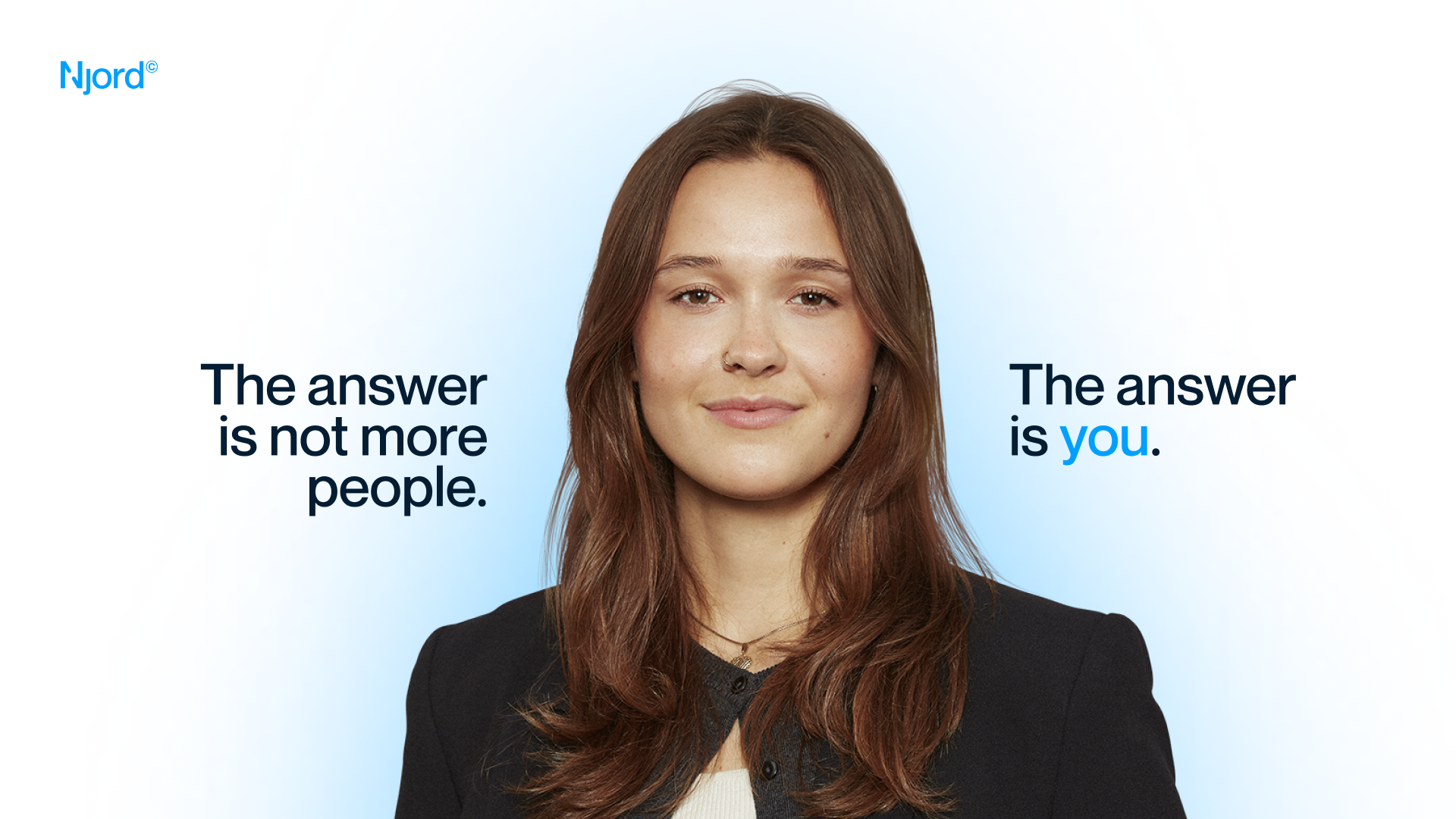
Why Hiring More Sales Reps Is Not the Answer
A failed enterprise sales hire costs 365K EUR. Most stalled pipelines need orchestration infrastructure, not headcount. Here's how to diagnose the difference.
The Linear Sales Trap: Why Complex Deals Die in the Traditional B2B Sales Funnel
The B2B sales funnel treats buying organizations as single units on a conveyor belt. For complex deals with 10-50 stakeholders evaluating in parallel, that model breaks. Here's why orchestration replaces the funnel.
Why LinkedIn Alone Isn't Enough for B2B ABM
For complex B2B deals with cross-functional buying committees, LinkedIn alone leaves most stakeholders unreachable. Multi-channel ABM targeting changes the math.
Deal Complexity Levels: Are You Playing the Wrong Sales Game?
Most B2B companies lose deals not because of product or price — but because they've misread their deal complexity level. Here's the full 6-level framework.